
Minimally invasive endovenous ablation, sclerotherapy and glue closure — virtually no scar, back to normal in a week.
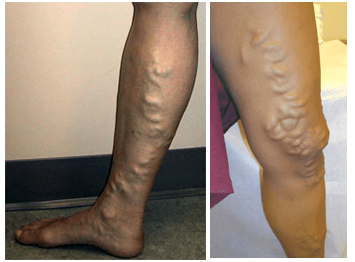
Varicose veins are abnormally large, twisted veins, usually in the legs, caused by leaking one-way valves that allow blood to pool (venous reflux). Symptoms include aching pain, swelling, skin irritation or ulcers, skin discoloration, and inflammation of the vein (phlebitis).
Heredity is a major risk factor, along with obesity, multiple pregnancies, and hormonal changes from menstruation or menopause. Jobs requiring long periods of standing — nurses, teachers, flight attendants — also carry higher risk.
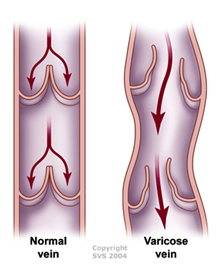
Laser or radiofrequency energy cauterises and closes the faulty vein — the most common treatment.
A solution injected into smaller veins and spider veins, causing them to collapse.
Newer techniques like VenaSeal seal the faulty vein with medical-grade glue, without heat.
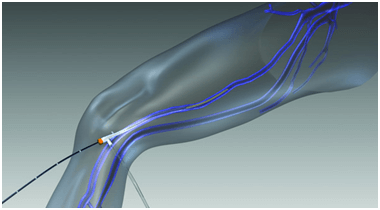
Regional or general anaesthesia — you won't feel the procedure.
A catheter is inserted below the knee under ultrasound guidance.
Go home the same day, back to daily activities from the next day.
Full recovery takes approximately one week.
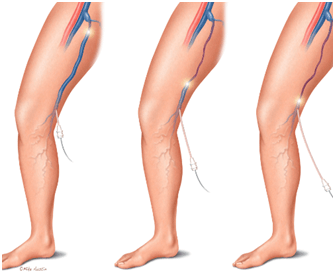
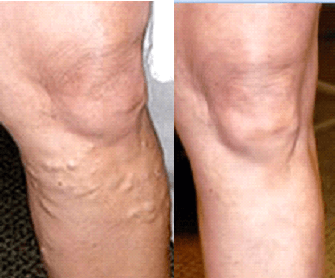
Varicose veins are enlarged, twisted veins, usually in the legs, caused by leaking one-way valves that allow blood to pool (venous reflux). They can cause aching, swelling, skin changes, and, if untreated, skin ulcers, and they tend to worsen over time.
Yes. Modern varicose vein treatment is minimally invasive and has largely replaced vein-stripping surgery. Options include laser or radiofrequency ablation, sclerotherapy injections, and medical-glue closure, all done through a tiny entry point with virtually no scar.
The procedure is done under sedation or anaesthesia, so it is not painful. It usually takes two to three hours as a day-care procedure, patients walk and resume daily activities the next day, and full recovery takes about one week.
Once a faulty vein is sealed, it does not reopen, and blood reroutes through healthy veins. However, because venous reflux disease is progressive, new varicose veins can develop over time.
Varicose veins affect the surface (superficial) veins and are usually visible and slowly progressive. Deep vein thrombosis (DVT) is a blood clot in a deep leg vein, causing pain, swelling, and warmth, and it can be dangerous because the clot can travel to the lungs. DVT needs urgent medical attention.
Because a deep vein clot can break off and travel to the lungs, causing a pulmonary embolism, which can be life-threatening. DVT is treated with blood thinners and, in selected severe cases, with catheter-based clot removal or clot-dissolving procedures.
No. While it can improve appearance, endovenous ablation is most often done to relieve symptoms such as aching, swelling, skin irritation, discoloration, and inflammation, and to prevent complications like skin ulcers.
At Neuro & Vascular, varicose veins and DVT are treated by Dr. Suresh Giragani, Consultant Interventional Radiologist at Apollo Hospitals, Jubilee Hills, Hyderabad, with over 18 years of experience.
Book a consultation with Dr. Giragani, or send your scans and reports for a specialist second opinion.